Country Versions | Great Britain Flag | USA Flag | Canada Flag
GardenSeeker.Garden Pruning Businesses Search Gardening Gifts ☰

When and How Should You Prune Camellias?

Pruning Camellia Shrubs


Abutilon


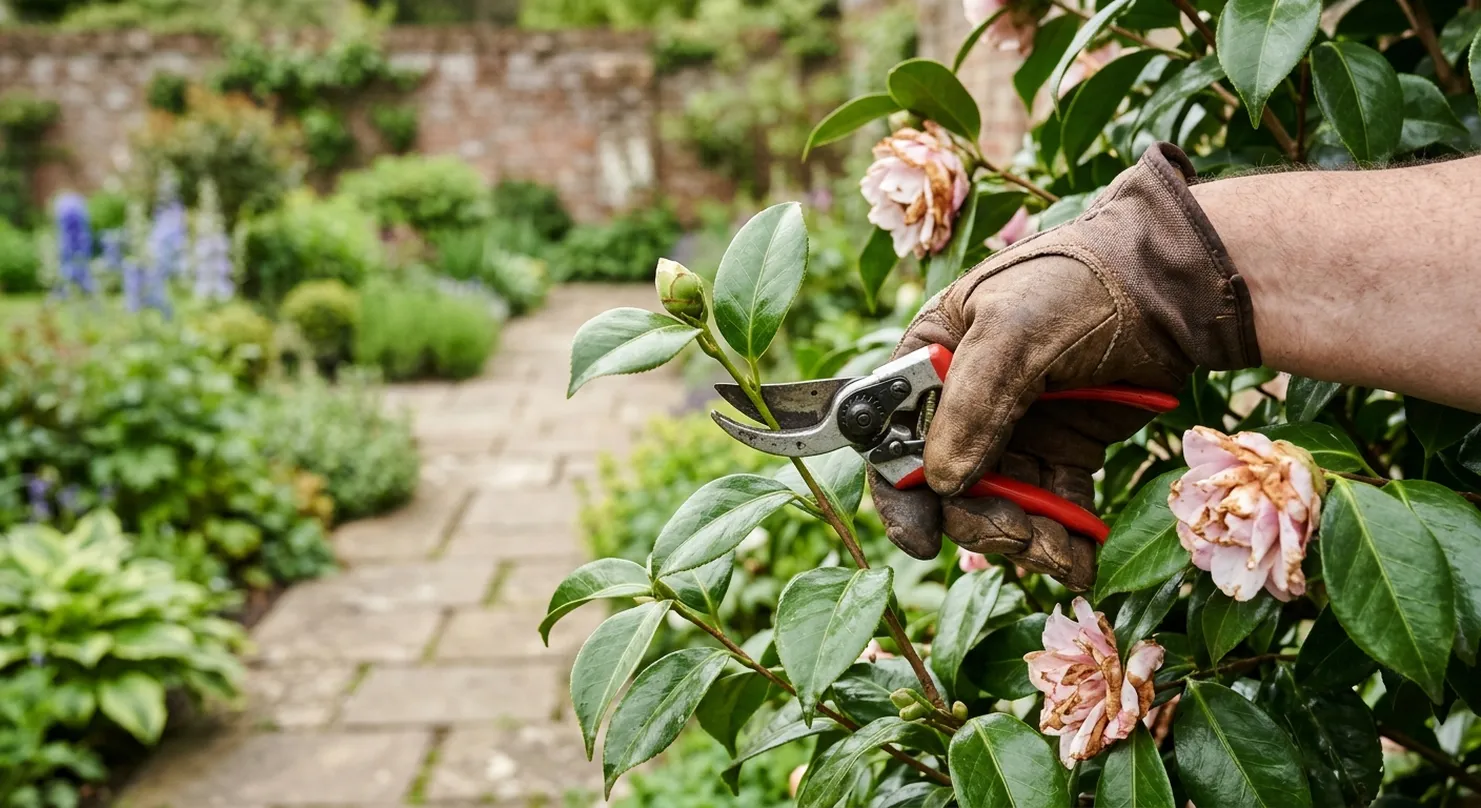
Camellias rarely need regular pruning, as they naturally keep a neat, rounded shape. If a shrub has outgrown its space, prune straight after flowering and before next season's buds form. Light shaping tidies up wayward growth, while hard renovation pruning — best done in March — restores overgrown or neglected shrubs, though recovery may take a year or two.

Camellias have a reputation for being fussy, but when it comes to pruning, they're refreshingly low-maintenance. Left to their own devices, most varieties will grow into a naturally pleasing, rounded shape without any help from secateurs at all. That's good news if you've got a packed gardening schedule and would rather spend your time deadheading roses or chasing slugs off your hostas.

That said, there are moments when a camellia needs a helping hand — whether it's spilling over a path, crowding a neighbouring shrub, or looking distinctly leggy after years of neglect. Knowing exactly when and how to prune camellias can mean the difference between a plant that rewards you with glossy foliage and abundant blooms, and one that sulks for several seasons.

This guide walks through everything UK gardeners need to know about pruning camellias: whether it's necessary at all, the best timing to avoid losing next year's flowers, and how to approach both light trimming and more serious renovation work. We'll also cover what to expect once you've made your cuts, and the common mistakes that catch out even experienced gardeners.

Camellia Shrub | The Ultimate Pruning Guide (Timing, Thinning, Shaping and Rejuvenation)


Do Camellias Need Regular Pruning?


Abutilon


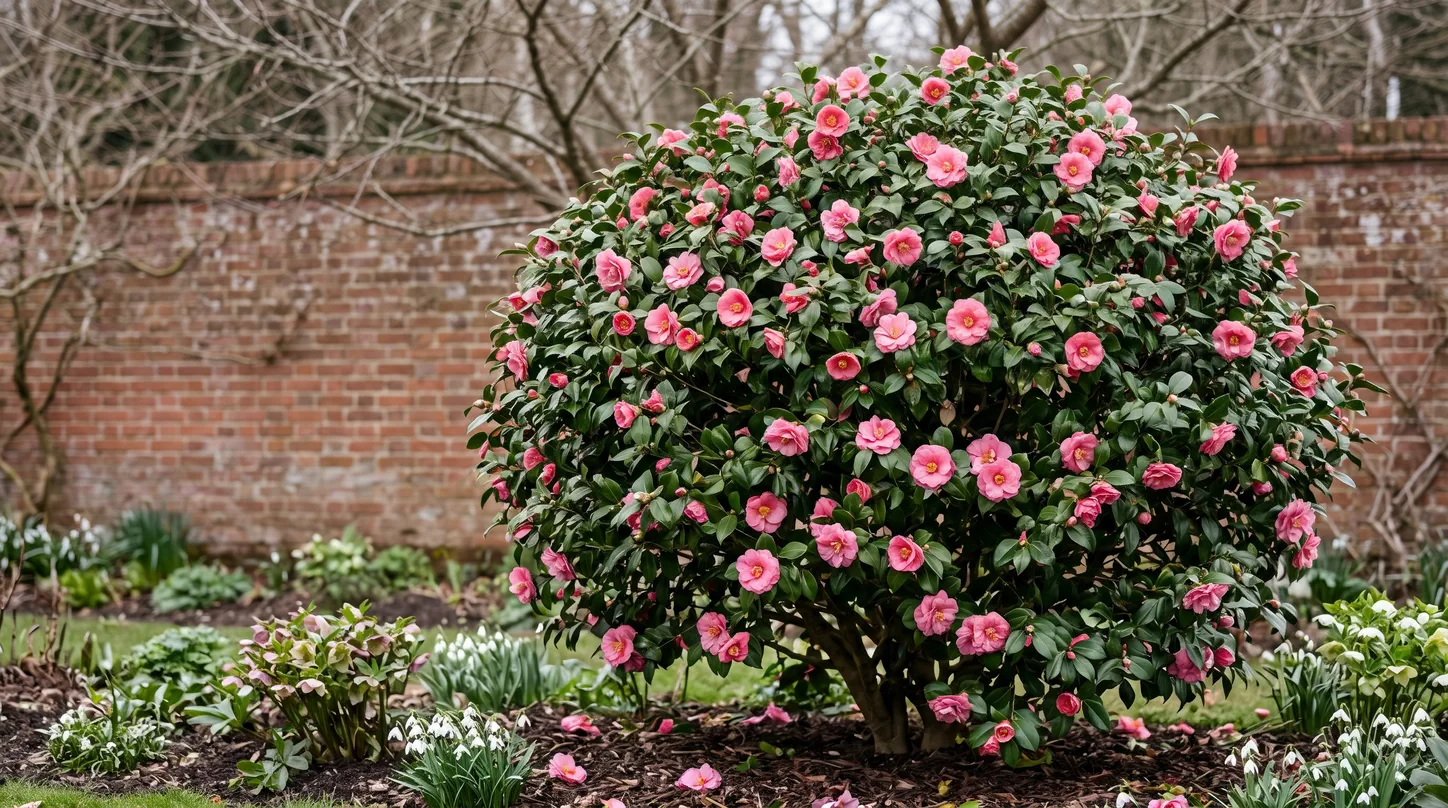
For most camellias, the honest answer is no. Pruning camellias isn't a regular chore the way it might be for roses or wisteria. Left alone, the vast majority of camellia varieties maintain a naturally neat, rounded shape that needs little to no intervention from the gardener.

This is one of the reasons camellias are so popular in UK gardens — they offer structure and seasonal colour without demanding constant attention. Their dense, evergreen foliage provides year-round interest, and their growth habit tends to be compact and well-balanced without any corrective pruning at all.

However, "rarely" doesn't mean "never." There are a few scenarios where pruning becomes necessary:

  • The shrub has outgrown its space. Camellias planted close to paths, walls, or other shrubs can eventually become too large for their position.
  • Growth has become uneven or leggy. This is more common in older plants or those grown in shadier spots where light is uneven.
  • The plant needs renovating. Years of neglect, storm damage, or frost injury can leave a camellia looking tired and in need of a more serious cutback.

If none of these apply to your camellia, the best advice is simply to leave it be. Unnecessary pruning can interrupt flowering and won't improve a shrub that's already thriving.

When Is the Right Time to Prune Camellias?


Abutilon


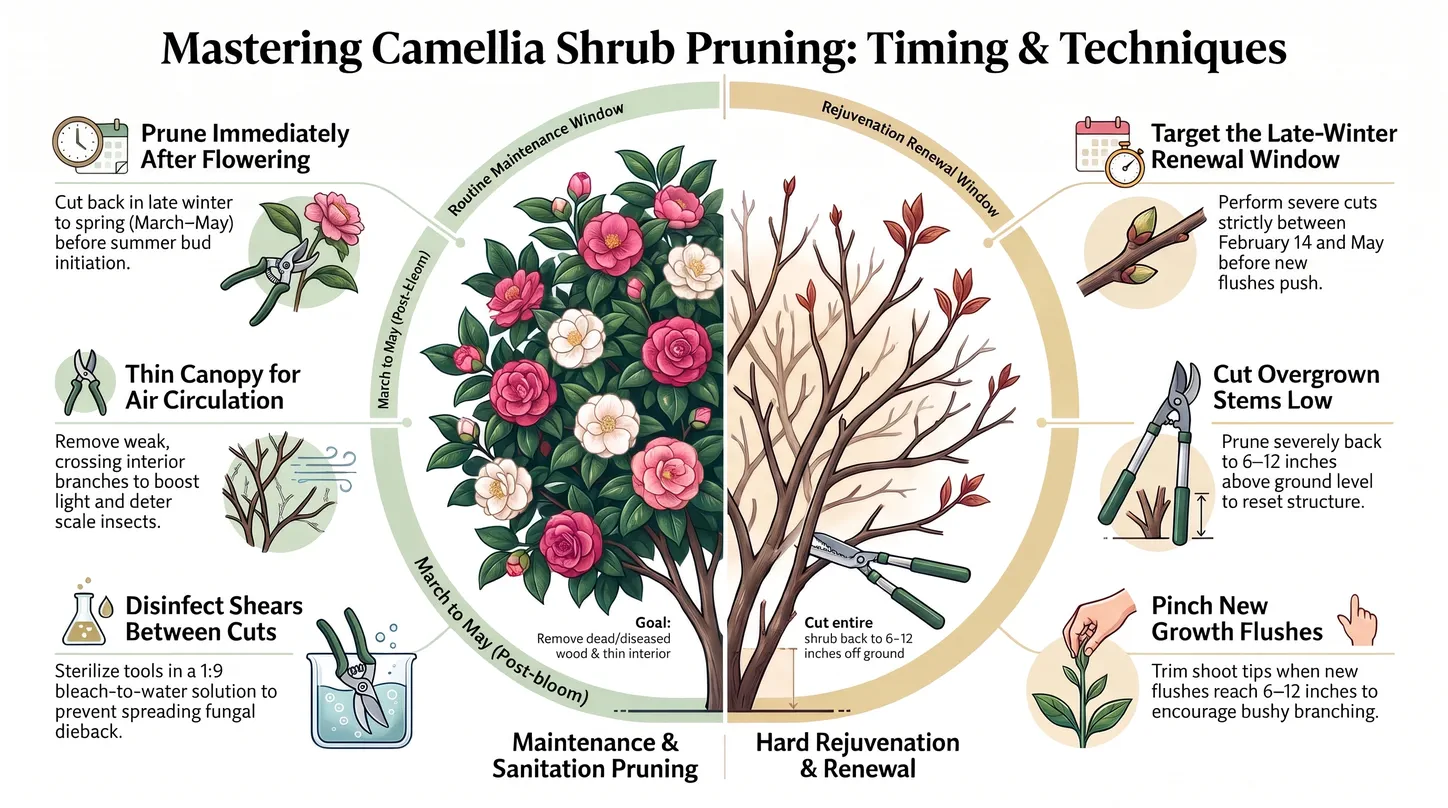
Timing is everything when pruning camellias, and getting it wrong can cost you an entire season of blooms. If a shrub has outgrown its space, the time to act is straight after flowering — before next season's buds begin forming.

Camellias set their flower buds for the following year not long after they finish blooming in the current season. This means there's a relatively narrow window in which pruning won't interfere with next year's display. Prune too late, and you risk cutting away the very buds that would have given you flowers next spring or winter, depending on your variety.

Most camellias in UK gardens flower between late winter and spring, so the ideal pruning window typically falls in late spring, shortly after the last flowers have faded. The exact timing will vary slightly depending on your variety and local climate, but the golden rule remains the same: prune straight after flowering, not before.

Choose immediate post-flowering pruning if you want to shape or lightly trim your camellia without sacrificing next year's blooms. Choose March for hard renovation pruning if your plant needs a more significant structural overhaul — more on that below.


extraAdvert

How to Do Light Shaping and Trimming

Light shaping is the most common type of pruning camellias will ever need, and it's a straightforward job for any UK gardener. This type of pruning involves trimming wayward growth to maintain form, rather than removing large sections of the plant.

Here's how to approach it:

  1. Wait until flowering has finished. As covered above, this is essential to protect next year's buds.
  2. Step back and assess the shape. Look for any shoots that disrupt the overall rounded form — these are often the fastest-growing, most vigorous stems.
  3. Use clean, sharp secateurs. A clean cut heals faster and reduces the risk of disease entering the plant.
  4. Trim just above a leaf node. Cutting back to just above a healthy leaf or bud encourages new growth to emerge in a tidy direction.
  5. Work gradually. Step back regularly to check your progress rather than removing large amounts of growth in one go.
  6. Remove any dead, damaged, or crossing branches. This improves airflow through the shrub and reduces the risk of fungal problems.

Light shaping shouldn't take more than twenty or thirty minutes for most established camellias, and the plant should show little to no sign that it's been pruned at all within a few weeks.

How to Carry Out Hard Renovation Pruning

For camellias that have become significantly overgrown, misshapen, or neglected, light trimming won't be enough. This is where hard renovation pruning comes in — a more drastic approach reserved for plants genuinely in need of restoration.

Hard renovation pruning is best carried out in March, which differs from the "straight after flowering" rule for light shaping. This earlier timing gives the plant the maximum possible growing season to recover before winter sets in, even though it means sacrificing that year's flower buds.

To carry out hard renovation pruning:

  1. Choose a mild day in March, ideally when there's no risk of a late hard frost.
  2. Identify the main framework branches you want to keep as the basis for the plant's new shape.
  3. Cut back hard, removing up to a third or more of the old wood, back to a point where you can see healthy, vigorous buds or shoots.
  4. Avoid cutting everything back to the same height. Stagger your cuts slightly to create a more natural-looking framework as new growth emerges.
  5. Feed and mulch after pruning to support the plant through its recovery, using an ericaceous feed suited to camellias' acid-loving nature.
  6. Water well, particularly through any dry spells in the following months, as a hard-pruned camellia will be putting significant energy into regrowth.

Choose hard renovation pruning if your camellia is significantly overgrown, has large areas of dead or unproductive wood, or hasn't flowered well in several years despite otherwise healthy conditions. Choose light shaping instead if the plant is generally healthy and you simply want to refine its form.

What to Expect During Recovery

One of the most important things to understand before reaching for the secateurs is that hard renovation pruning comes with a trade-off: the plant may have a quieter couple of years while recovering.

This means gardeners shouldn't expect a full, abundant display of flowers in the one or two seasons immediately following hard pruning. The camellia is redirecting its energy into rebuilding its framework of branches and foliage rather than producing blooms. This is entirely normal and not a sign that anything has gone wrong.

During this recovery period:

  • Foliage will often regrow quickly, giving the plant a fuller appearance even before flowering resumes.
  • Flowering may be sparse or absent in the first year, with gradual improvement in the second and third years.
  • Consistent feeding and watering will help speed up recovery and encourage strong, healthy new growth.
  • Patience is essential. Resist the temptation to prune again too soon — let the plant settle into its new shape before making further cuts.

By the third year after hard renovation pruning, most camellias will have re-established a full, healthy shape and returned to their usual flowering display, often looking better than ever thanks to the improved structure.

Common Pruning Mistakes to Avoid

Even well-intentioned pruning can go wrong if timing or technique is off. Here are the mistakes UK gardeners should watch out for when pruning camellias:

  • Pruning too late in the season. This is the single most common mistake. Cutting back after flower buds have started forming removes next year's blooms before they've had a chance to open.
  • Pruning without a clear reason. Since camellias naturally hold a neat shape, pruning simply out of habit can do more harm than good.
  • Using blunt or dirty tools. Ragged cuts heal more slowly and increase the risk of disease entering the plant.
  • Removing too much at once outside of renovation pruning. Light shaping should stay light — heavy-handed trimming outside of a planned renovation can shock the plant unnecessarily.
  • Ignoring the recovery period. Expecting full flowering immediately after hard renovation pruning often leads to disappointment and unnecessary further interference with the plant.
  • Cutting at random points on a stem. Always cut back to just above a leaf node or healthy bud to encourage tidy, productive regrowth.

Avoiding these pitfalls will help ensure that any pruning you do carry out supports, rather than hinders, your camellia's health and flowering potential.

Prune with Confidence, Not Habit

Pruning camellias isn't about sticking to a rigid annual schedule — it's about responding to what your plant actually needs. Most camellias will thank you more for being left alone than for regular cutting back. But when a shrub does need attention, whether that's a light trim after flowering or a more serious March renovation, timing and technique make all the difference.

Keep an eye on your camellia's shape and size throughout the year, and step in only when necessary. With the right approach, you'll maintain a healthy, well-shaped shrub that continues to reward you with its glossy foliage and striking blooms for years to come.

FAQs

Do camellias need to be pruned every year?
No. Most camellias naturally maintain a neat, rounded shape and don't require annual pruning. Pruning is only necessary when a plant has outgrown its space, developed uneven growth, or needs renovating after neglect or damage.

What happens if I prune my camellia at the wrong time?
Pruning too late in the season — after flower buds have started forming for next year — risks cutting off those developing buds, resulting in little or no flowering the following season.

How hard can I cut back an overgrown camellia?
For hard renovation pruning, you can remove up to a third or more of the old wood, cutting back to healthy buds or shoots. This is best done in March to give the plant the full growing season to recover.

Will my camellia flower the same year after hard pruning?
Not usually. After hard renovation pruning, the plant may have a quieter couple of years while it rebuilds its framework and foliage, with flowering gradually returning to normal over the following seasons.

Is light shaping safe to do every year?
Yes, light shaping — trimming wayward growth straight after flowering — can be carried out annually if needed without harming the plant, as long as it's done before next season's buds begin forming.


Most Read Pruning Articles are


Copyright © Gardenseeker.garden - 2000 - 2027

/ Advertising listing / Privacy Policy
Contact Us

| DMCA.com Protection Status