Propagation of Abutilon (flowering maple) is best done through cuttings rather than seed. Take softwood cuttings in spring or semi-ripe cuttings in midsummer, insert them into free-draining compost, and keep them warm and humid. Roots typically form within several weeks. Seed-grown Abutilons are possible but far less reliable, so most UK gardeners stick to cuttings for consistent results.
There's something deeply satisfying about watching a single cutting from your favourite Abutilon grow into a thriving plant of its own. Those papery, bell-shaped flowers and maple-like leaves have a way of charming anyone who grows them, and once you've got one established in your garden or conservatory, it's natural to want more.
The good news is that the propagation of Abutilon, also known as the flowering maple, is well within reach for home gardeners, even if you've never propagated a plant before. While it's technically possible to grow Abutilon from seed, cuttings are the tried-and-tested method favoured by experienced gardeners because they're faster, more reliable, and produce plants identical to the parent.
This guide walks through everything you need to know: taking softwood cuttings in spring, semi-ripe cuttings later in the season, growing from seed, and the aftercare that helps young plants establish successfully. By the end, you'll have a clear plan for multiplying your Abutilon collection this year.
What Is Abutilon (Flowering Maple)?
Abutilon, commonly known as flowering maple, is a popular ornamental shrub prized by UK gardeners for its distinctive bell-shaped blooms and attractive, maple-like foliage. Despite the name, Abutilon isn't related to true maples at all. The resemblance is purely in the shape of its leaves.
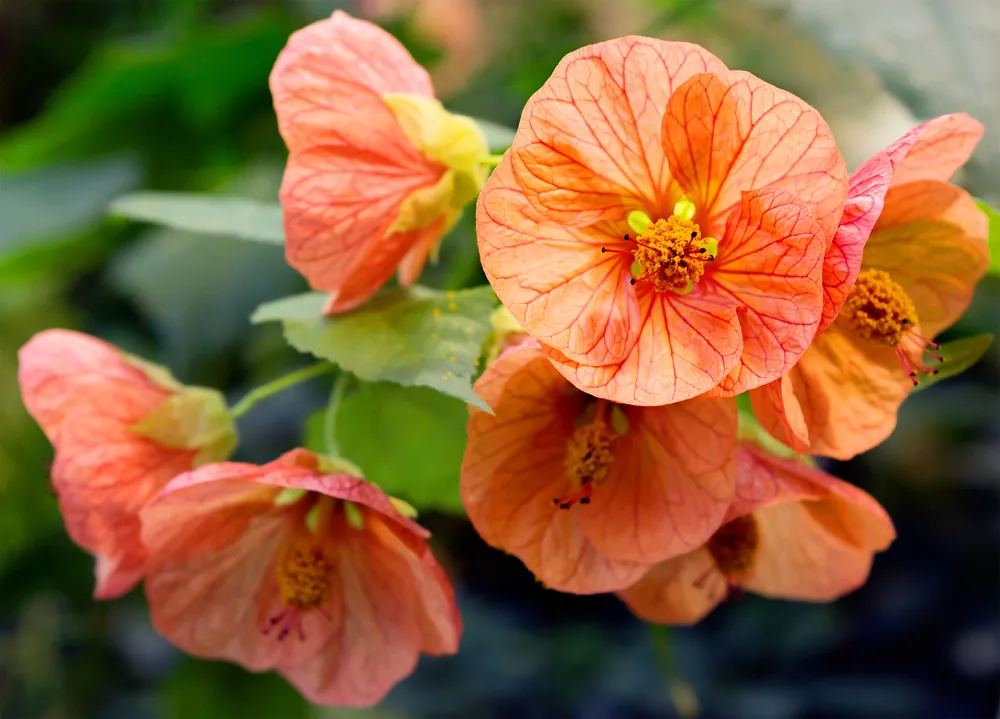
Its appeal lies in its versatility. Abutilon works beautifully in mixed borders, thrives in containers on a patio, and can be grown year-round in a conservatory where it's protected from frost. Flower colours range from soft apricot and yellow through to deep red, giving gardeners plenty of scope to match their existing planting schemes.
Propagating your own Abutilon plants is one of the most cost-effective ways to expand a collection. A single healthy parent plant can yield multiple cuttings each year, letting you fill out a border, pot up gifts for friends, or simply insure against losing a prized specimen over winter.

Why Cuttings Are the Best Way to Propagate Abutilon
If you take one thing away from this guide, let it be this: Abutilon cuttings consistently outperform seed-grown plants. Cuttings root into exact genetic copies of the parent plant, so you know precisely what flower colour, growth habit, and vigour to expect. Seed-grown Abutilons, by contrast, can vary considerably and take much longer to reach flowering size.
There are two main types of Abutilon cuttings worth knowing: softwood cuttings, taken from soft, new growth in spring, and semi-ripe cuttings, taken from slightly firmer stems later in the season. Each has its own ideal timing and technique, which we'll cover in detail below.
How Do You Take Softwood Cuttings From Abutilon in Spring?
Softwood cuttings are taken from the current season's new growth while it's still soft and pliable, rather than from older, woodier stems. Spring is the ideal time for this method because Abutilon plants are actively putting out fresh growth, which roots quickly and enthusiastically when given the right conditions.
Here's how to take softwood cuttings step by step:
- Select healthy, non-flowering shoots. Flowering shoots divert energy into blooms rather than root development, so choose vigorous green growth without buds.
- Cut a length of around 10–15cm, slicing just below a leaf node, since this is where root growth is most likely to occur.
- Remove the lower leaves from the cutting, leaving just two or three sets at the top to reduce moisture loss.
- Dip the cut end lightly in rooting hormone powder. A light coating is sufficient here. Applying too much can actually encourage rot rather than root growth.
- Insert the cutting into free-draining compost, firming it in gently, then keep it warm and humid, ideally with a propagator lid or clear plastic bag to maintain moisture levels.
With consistent warmth and humidity, Abutilon softwood cuttings generally take around four to eight weeks to root. Mist the cuttings regularly and keep the compost lightly moist (never waterlogged) throughout this period to give them the best chance of success.
If you're propagating for the first time, it's worth photographing or filming each stage. Having a visual record makes it much easier to spot what's working next time round, and to compare progress across multiple cuttings.

What's the Best Way to Take Semi-Ripe Abutilon Cuttings?
Once summer moves into its second half, typically mid-to-late summer, Abutilon stems begin to firm up at the base while remaining flexible towards the tip. This is the semi-ripe stage, and it offers a second good window for propagation.
To take semi-ripe cuttings:
- Choose stems that are firm at the base but still flexible at the tip. This combination indicates the stem has matured enough to root reliably, without being too woody.
- Insert the cutting into compost so that roughly one third of its length sits below the surface, whether in a seed tray or individual pot.
- Position cuttings in a sheltered, humid spot, such as a cold frame or propagator, where temperature and moisture stay relatively stable.
Semi-ripe cuttings are often more resilient than their softwood counterparts, making them a good late-season option if your spring cuttings didn't take or if you simply want to maximise your propagation efforts across the year.
For gardeners after a lower-effort alternative, layering is also worth trying. This involves bending a flexible branch down to soil level, lightly scuffing the stem where it touches the ground, and burying that section so it can root while still attached to the parent plant. It's slower than taking cuttings, but requires minimal intervention once set up.
Can You Grow Abutilon From Seed?
Yes, Abutilon can be grown from seed, but this method is considerably less reliable than taking cuttings. Seed-grown plants take longer to establish, may not flower true to the parent's colour, and often show more inconsistent results overall.
If you'd like to try growing Abutilon from seed, buy it from a reputable supplier rather than attempting to collect and store seed yourself. Home-harvested Abutilon seed can be difficult to collect cleanly and tends to lose viability quickly in storage.
Basic sowing steps are straightforward: sow seeds in trays with good drainage, keep the compost consistently moist and warm, and be patient. Growth from seed is slower and less predictable than from cuttings, so treat this as a secondary method rather than your primary propagation strategy.
How Do You Care for New Abutilon Cuttings?
Once your cuttings are potted, the aftercare stage is where patience really pays off. Keep compost consistently moist, provide gentle warmth, and protect young cuttings from direct, harsh sunlight while their root systems are still developing.
Look out for signs of successful rooting, such as fresh new growth appearing at the tips, or a gentle resistance when you tug lightly on the cutting (a sign roots have taken hold). Once a strong root system has formed, pot the young plant on into its own individual container, using a good-quality, free-draining compost to support continued growth.
Your Abutilon Propagation Journey Starts Now
Propagating Abutilon comes down to two reliable cutting methods, softwood cuttings in spring and semi-ripe cuttings later in the season, with seed sowing as a secondary option best approached using bought-in seed from a trusted supplier. Each method has its own ideal timing, but the underlying principles stay the same: healthy stem selection, free-draining compost, and consistent warmth and humidity while roots establish.
There's no better time to start than this growing season. Take a few cuttings from your favourite Abutilon, follow the steps above, and watch your collection grow. If you enjoyed this guide, browse our other seasonal propagation guides or sign up to our gardening newsletter for more tips tailored to UK growing conditions.

Frequently Asked Questions
How do you propagate Abutilon from cuttings?
Take softwood cuttings in spring or semi-ripe cuttings in midsummer, insert them into free-draining compost, and keep them warm and humid until roots form, typically within four to eight weeks.
Can you grow Abutilon from seed?
Yes, though it's less reliable than cuttings. Seed-grown plants take longer to establish and may not match the parent plant's flower colour. Buy seed from a reputable supplier rather than collecting your own.
What's the difference between softwood and semi-ripe Abutilon cuttings?
Softwood cuttings are taken from soft, new spring growth and root quickly in the right conditions. Semi-ripe cuttings are taken from firmer, midsummer stems and are often more resilient, making them a good late-season alternative.
How long does it take for Abutilon cuttings to root?
With consistent warmth and humidity, Abutilon cuttings generally take around four to eight weeks to develop roots.
Is layering a good alternative to taking cuttings?
Layering, where a flexible branch is bent to soil level and buried while still attached to the parent plant, is a lower-effort alternative worth trying, though it's slower than taking cuttings.


